Venetian plaster is one of those finishes people think they understand until they stand next to a wall done properly and realise it isn’t “a fancy paint effect” at all. It’s depth. It’s mineral. It’s light doing weird, beautiful things at 4pm.
And yes, it can absolutely work in a modern Australian home, coastal, inland, high-humidity, air-conditioned to within an inch of its life. If you respect the material, it respects the building back.
One line that matters: Venetian plaster isn’t a coating. It’s a surface you build.
So what is Venetian plaster, really?
At its core, Venetian plaster is lime-based plaster applied in thin coats and then polished (burnished) with a steel trowel until it tightens up and starts to glow. The glow isn’t glitter or sheen additives. It’s physics: a compressed, refined surface with subtle translucency that bounces light through micro-layers.
Whether you’re exploring DIY finishes or seeking professional venetian plastering Gold Coast & Brisbane expertise, you’ll hear terms like Marmorino, Lucidato, Stucco Veneziano—often used interchangeably by marketers, not always by trades. The consistent truth is this: lime binder + fine aggregates + pigment, layered and compressed.
Now, the part people forget. Lime plaster cures by carbonation; it absorbs CO₂ from the air and converts back toward limestone over time. That’s why it can feel “alive” compared to acrylic paint films.
A nerdy but useful data point: lime-based materials can reabsorb a portion of the CO₂ released during calcination; one widely cited range is up to ~60, 80% reabsorbed over the life of the material, depending on thickness and exposure (IPCC, 2006 Guidelines for National Greenhouse Gas Inventories, Vol. 3, Industrial Processes and Product Use).
Hot take: most “Venetian plaster” you see marketed isn’t the real thing
Here’s the thing: plenty of modern products are acrylic-modified for speed, easier application, or stain resistance. Some of them look great. Some of them also behave like paint with better PR.
If you’re chasing the breathable, mineral, patina-over-time quality, particularly in older homes or in coastal areas, pure or predominantly lime systems win (in my experience, they also forgive humidity swings better).
Why it suits Australian homes (yes, even the beach ones)
Australia is brutal on finishes. Salt air. UV. Big temperature swings. Reverse-cycle heating that dries interiors like a biltong shed, then a wet winter that brings condensation back with a vengeance.
Venetian plaster helps because lime is naturally vapour permeable. That means walls can exchange moisture rather than trapping it behind a plastic film. In practical terms: fewer blistered finishes, less “sweaty wall” feeling in tight rooms, and a surface that doesn’t look tired after three summers.
Also, light. Australian light is sharp. Venetian plaster loves that. It doesn’t just reflect; it modulates. A flat painted wall reads as flat. A polished lime wall reads like a quiet landscape.
Short version?
It’s not trendy. It’s architectural.
Materials: what actually matters (and what’s mostly noise)
You can obsess over a hundred variables, but the big three are: the plaster base, pigment choice, and the final protection system.
Lime plaster
You’re looking for:
– Consistency and fineness (finer plasters burnish tighter)
– Workability window (some brands grab fast, some stay open longer)
– Compatibility with substrate and primers (this is where failures breed)
Lime doesn’t like being slapped onto unstable, dusty, or flexy substrates. It also doesn’t love being forced to dry too quickly. If you’re plastering near big north-facing glazing, plan your timing.
Pigments
Mineral pigments generally behave better in lime systems. They sit naturally in the matrix and don’t get weird later. Organic pigments can work, but some fade or shift depending on alkalinity and UV exposure.
I’m opinionated here: don’t chase “perfect flat colour.” Venetian plaster isn’t meant to look like sprayed Dulux. A little movement is the whole point.
Sealants and waxes (where breathability gets accidentally murdered)
Protection is a spectrum:
– Soap finishes / traditional treatments: beautiful, breathable, softer
– Waxes: richer sheen, some water resistance, needs periodic care
– Modern breathable sealers: good for wet areas, but choose carefully
Now, this won’t apply to everyone, but if you seal a lime finish with the wrong film-former, you can trap moisture and create patchiness, dulling, or even long-term adhesion problems. The “strongest” sealer isn’t always the best one.
Prep: the boring part that decides everything
If the substrate prep is sloppy, Venetian plaster will highlight it like a spotlight.
I’ve seen incredible applicators blamed for failures that were basically: dusty plasterboard, uneven suction, and a primer chosen because it was “already in the van.”
A good prep approach usually includes:
– A stable, flat base (plasterboard joins done properly, no movement)
– Suction control (primer or base coat matched to the system)
– Clean, dust-free surface
– Moisture managed, not guessed at
And yes, sample boards. Always. A sample board in your lighting, in your room, beside your flooring, is worth ten Pinterest saves.
Application: where the craft shows up
Some people want a recipe. Venetian plaster doesn’t really do recipes. It does timing, feel, and restraint.
Thin coats. Keep a wet edge. Don’t overwork it when it’s telling you to leave it alone.
A common sequence looks like:
- Base coat for tooth and even uptake
- Build coats for depth and movement
- Finish coat tighter, cleaner, more controlled
- Burnish when the plaster is at the right stage (not wet, not fully hard)
- Protect with wax/sealer if required
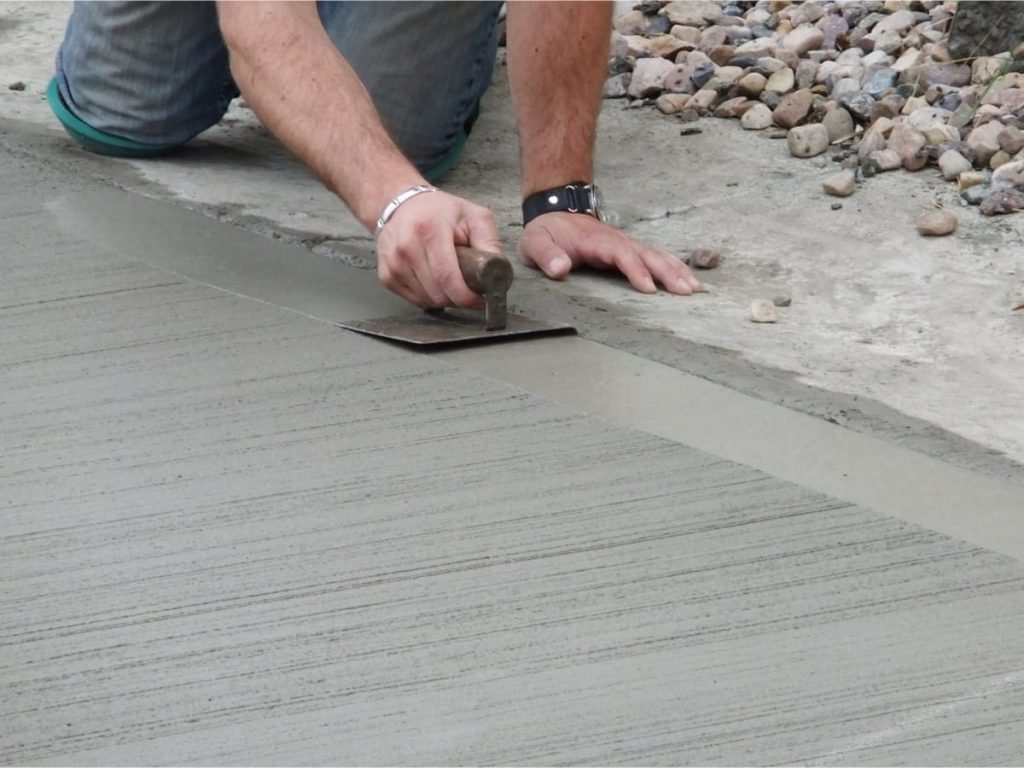
The burnish is where it becomes “Venetian.” Pressure compresses the surface, closes pores, and increases sheen. Too early and you tear it. Too late and you just skate over it, getting frustration instead of gloss.
One-line truth:
Patience is a tool.
A slightly informal note on texture and “perfection”
Do you want it to look like honed stone? Soft suede? Cloudy and layered? Clean and tight like polished marble?
Pick a direction early, because the technique changes. Even your trowel choice matters, the edges, the flex, the way it leaves a shadow line at the end of a pass.
Also, don’t demand absolute uniformity. If you want sterile, paint exists. Venetian plaster is a controlled irregularity. That’s why it feels expensive.
Maintenance and longevity (how not to ruin it)
Venetian plaster ages well when you treat it like… a wall finish made of stone and lime, not a laminate benchtop.
Keep it simple:
– Dust with a soft cloth or microfibre
– For marks, use a damp cloth with clean water, then dry gently
– Avoid abrasive cleaners (they’ll flatten the sheen fast)
Hairline cracks can happen, especially in new builds that are still moving. Fix early with compatible materials and a light skim rather than waiting for a “character line” to become a repair job.
In wet zones, choose the system intentionally. A powder room wall is forgiving. A shower niche is not the place for romantic minimalism about sealing.
Design notes I’d actually back on a job
Neutrals work because they show depth. Whites and warm greiges can look almost luminous. Dark colours can be stunning too, but they show every tool mark, so your applicator needs to be genuinely good, not just confident.
I tend to like:
– Subtle tonal variation over “feature wall drama”
– Matte-to-satin finishes in open-plan areas (gloss can get loud)
– A slightly higher sheen in darker hallways to catch light and prevent the space feeling dead
Historical technique can inspire the surface, but your home doesn’t need to cosplay as a palazzo. Done right, Venetian plaster in Australia reads modern, grounded, and quietly luxurious.
And that’s the magic: it doesn’t scream. It just keeps looking better the longer you live with it.

 Jane Austen