

Lyme disease, caused by the bacterium Borrelia burgdorferi and transmitted through the bite of infected black-legged ticks, has become a growing concern in many regions, particularly in North America and parts of Europe. The symptoms of Lyme disease can vary widely and may include fatigue, fever, headache, and a characteristic skin rash known as erythema migrans. If left untreated, the infection can lead to more severe complications, such as joint pain, neurological issues, and cardiac problems. The complexity of diagnosis, often compounded by the variability of symptoms and the time it takes for them to appear, has made early detection critical for effective treatment. In response to this urgent need, a new Lyme disease rapid test has been developed for home use, enabling individuals to take control of their health and facilitating quicker interventions. This innovative home test kit offers a straightforward and user-friendly solution for detecting Lyme disease. The test utilizes a simple blood sample, which can be collected via a finger prick, allowing users to avoid the often stressful and time-consuming process of visiting a healthcare facility.
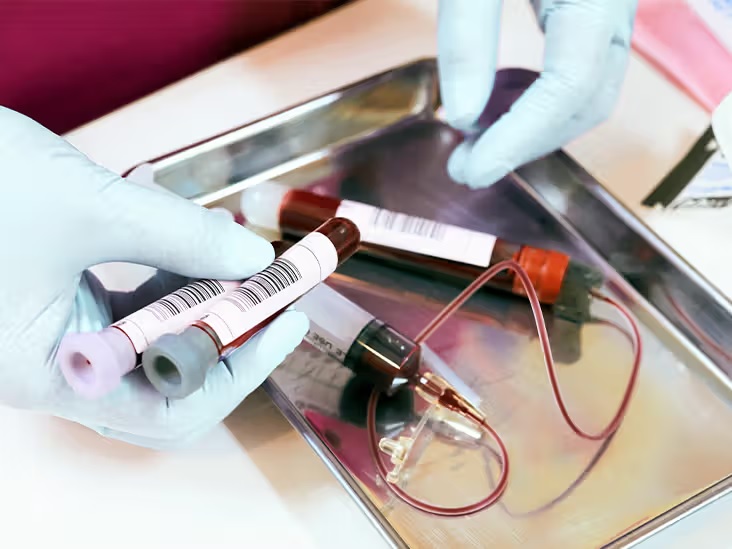
After collecting the sample, users send it to a designated lab for analysis at home lyme disease test. Results are typically available within a short period, often just a few days, which is significantly faster than traditional testing methods. The convenience of at-home testing can empower individuals, particularly those living in high-risk areas, to seek medical attention promptly if the test yields positive results. This proactive approach is crucial, as early detection can significantly improve the prognosis and reduce the likelihood of long-term complications. Moreover, the accessibility of this rapid test can help raise awareness about Lyme disease. Many people are unaware of the risks associated with tick bites and the potential health consequences of Lyme disease. By providing a simple testing option, individuals are more likely to educate themselves about the disease and take preventive measures, such as using insect repellent, wearing protective clothing, and performing regular tick checks after outdoor activities. This heightened awareness could lead to a reduction in the incidence of Lyme disease and empower communities to better protect themselves and their families.
It is important to note that while the rapid test provides valuable information, it is not a substitute for professional medical advice. A positive result should prompt individuals to consult with a healthcare professional for a comprehensive evaluation and potential treatment options. Additionally, some may still require further testing to confirm the diagnosis, as other conditions can present similar symptoms. Nevertheless, the introduction of this home-based rapid test marks a significant advancement in the fight against Lyme disease, offering a practical solution that meets the growing demand for accessible healthcare options. In summary, the availability of a Lyme disease rapid test for home use represents a critical step forward in the early detection and management of this potentially debilitating illness. By making testing more accessible and user-friendly, it empowers individuals to take charge of their health, promotes awareness, and encourages timely medical intervention. As awareness and understanding of Lyme disease continue to grow, this innovative testing option has the potential to make a meaningful impact on public health.