

The journey from tree to destination in the realm of forest product shipping is a meticulous process that requires careful planning, expertise, and an unwavering commitment to sustainability. It begins with the careful selection and harvesting of timber, which is often a complex undertaking. Forest managers and loggers must evaluate the health and quality of the trees, taking into account the ecological impact of harvesting and ensuring that the operation adheres to local and international regulations. The choice of which trees to harvest is not solely based on their size or species but also considers factors such as biodiversity, habitat conservation, and the overall health of the forest ecosystem. This initial phase sets the foundation for a responsible and sustainable shipping process. Once the trees are harvested, they are processed into various products, including lumber, plywood, and paper. This processing stage involves cutting, debarking, and drying the wood to achieve the desired specifications. Skilled workers utilize advanced machinery and techniques to ensure that the wood is of high quality and ready for transport. Each product has its own unique requirements, and the processing must be executed with precision to meet industry standards.
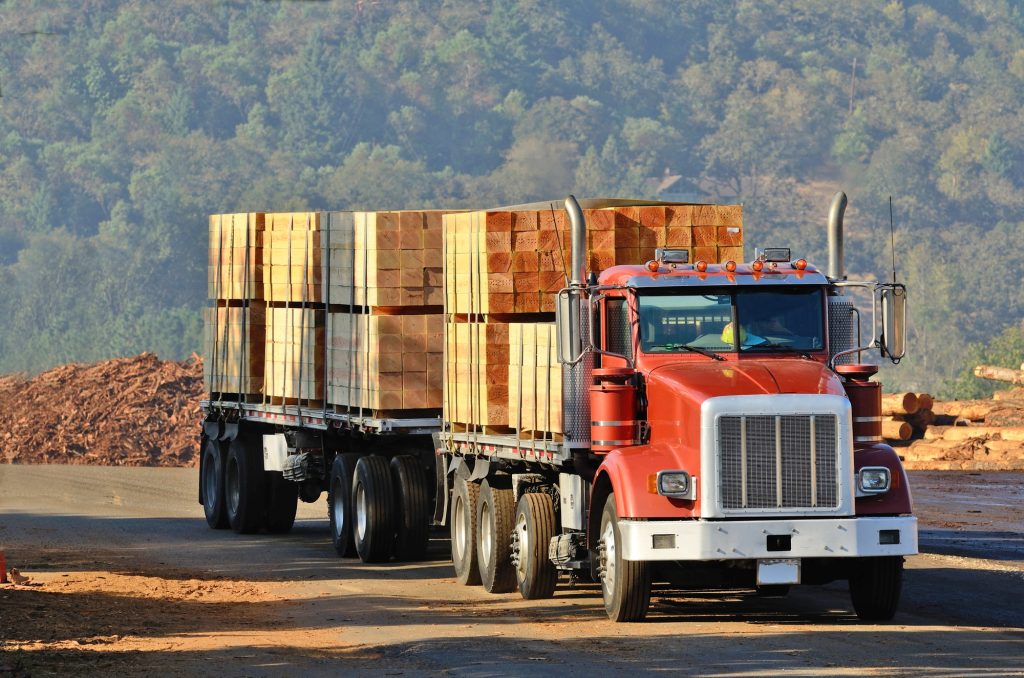
This stage of the process also highlights the importance of technology in modern forest product shipping, where innovations in machinery and software optimize production and tracking, ensuring that products are ready for shipment on schedule. Transportation logistics play a crucial role in getting forest products from the processing facility to their final destination. Experts in logistics assess the best modes of transport—be it road, rail, or maritime—based on factors like distance, cost, and the nature of the product. For instance, lumber may be transported on flatbed trucks or railcars, while pulp and paper products are often shipped in bulk containers. The choice of transport also considers environmental factors, aiming to minimize the carbon footprint associated with moving goods. Efficient route planning is essential to avoid delays and ensure that products arrive at their destinations promptly and in excellent condition. Once the products reach distribution centers or retailers, they are packaged and prepared for final delivery to customers.
Packaging not only protects the products during transit but also plays a vital role in branding and marketing. Eco-friendly packaging solutions are increasingly favored, reflecting a growing consumer preference for sustainable practices. This final step in the tree-to-destination process requires seamless coordination among manufacturers, transporters, and retailers to meet customer expectations. In conclusion, the journey from tree to destination in forest products shipping is a multi-faceted process that demands expertise at every stage. From sustainable harvesting practices and precise processing to efficient logistics and innovative packaging, each step is crucial to delivering quality forest products while respecting the environment. As the demand for sustainable materials continues to rise, the industry is poised to adapt and evolve, ensuring that the shipping of forest products remains responsible and efficient. By embracing new technologies and practices, the tree-to-destination journey can become even more sustainable, benefiting both the environment and the economy.