

Agricultural land sales have garnered increasing attention in recent years, driven by a combination of factors such as growing demand for food, population growth, and the evolving nature of farming practices. Investors, both large-scale corporate entities and small individual buyers, are recognizing the value of agricultural land as a tangible asset with potential long-term returns. As the world’s population continues to climb, the pressure to produce more food sustainably is pushing agricultural productivity to new heights. This demand is directly influencing the prices of farmland, especially in regions with fertile soil and access to water resources, as these areas promise high crop yields and consistent profitability. Countries with large agricultural sectors, such as the United States, Brazil, and parts of Eastern Europe, have seen notable fluctuations in land prices based on these trends.
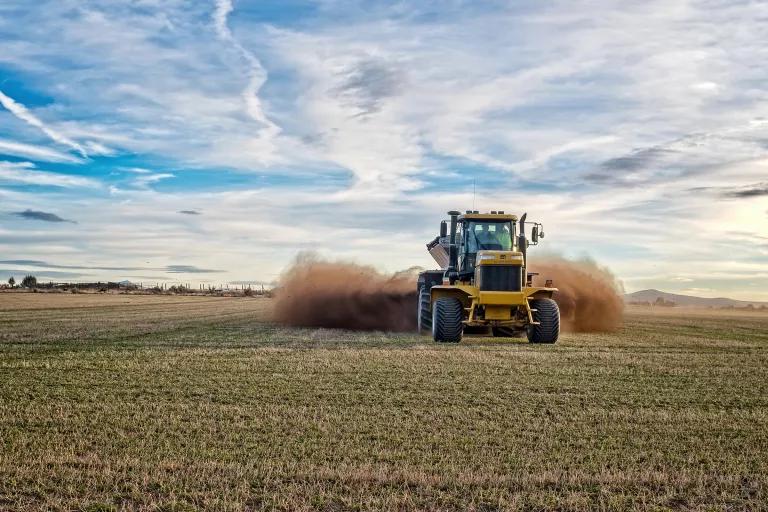
The increasing appeal of agricultural land as an investment is also linked to its resilience compared to other asset classes. In times of economic uncertainty, land is often seen as a stable, tangible investment, which contrasts with the volatility of the stock market. Farmland offers the potential for steady income through the leasing of land to farmers or engaging in agricultural production directly. Furthermore, the rise of alternative energy sources, like biofuels, has also contributed to rising land values, as investors seek land for the production of energy crops such as corn, soybeans, and other biofuel feedstocks. This dual purpose of agricultural land for both food and energy production makes it an even more attractive investment. However, there are challenges associated with agricultural land sales.
One of the most significant concerns is the impact of climate change on land productivity. Droughts, floods, and changing weather patterns can adversely affect crop yields, making some previously fertile land less valuable or even unviable for agriculture. Additionally, urbanization and land development pressures in certain areas are reducing the availability of farmland, further driving up prices. This scarcity has caused some smaller or family-owned farms to be priced out of the market, leading to a trend of consolidation where larger agribusinesses buy out smaller farms, potentially changing the landscape of the agricultural sector. In conclusion, agricultural land sales are influenced by a variety of factors, including food security, investment potential, and environmental challenges of farm land for sale mankato mn. While the growing demand for land presents opportunities for investors, it also raises questions about sustainability and the long-term effects of climate change and consolidation in the farming industry. These dynamics will likely continue to shape the market for agricultural land in the coming years.