

Effective emergency response training programs are essential for enhancing an organization’s preparedness and ensuring swift, efficient action during critical situations. These programs should be designed to equip employees, emergency responders, and management teams with the necessary skills to handle various emergencies, from natural disasters to medical incidents, fires, and security breaches. The foundation of a robust emergency response program lies in comprehensive, scenario-based training that promotes understanding of roles, protocols, and the proper use of equipment. A well-tailored emergency response-training program begins with a thorough assessment of potential risks and hazards specific to the environment or industry. This risk assessment should inform the development of realistic emergency scenarios that reflect the possible threats the organization may face. It is crucial that employees at all levels are trained to respond swiftly and confidently to emergencies, understanding not only their immediate responsibilities but also how to collaborate effectively with others. Cross-functional communication and coordination can be critical in minimizing the impact of an emergency.
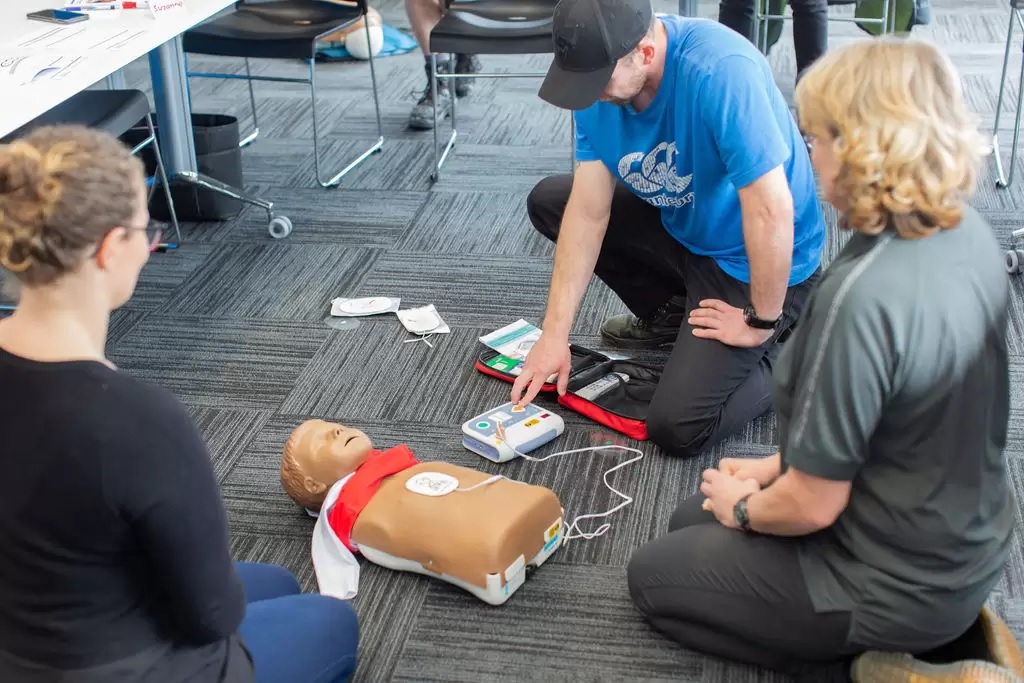
Training should focus on both technical and soft skills. While technical skills such as operating firefighting equipment, first aid, or evacuating a building are fundamental, soft skills like decision-making under pressure, emotional resilience, and clear communication are equally vital. These soft skills can make the difference between an effective response and one that contributes to confusion or delay. Training programs should also include simulation exercises that replicate real-life scenarios, allowing participants to practice their responses in a controlled but realistic environment. These exercises can help identify potential weaknesses in response strategies and ensure that each team member is familiar with their duties. In addition, bhv herhaling emergency response training should be a continuous process. Regular refresher courses are vital to ensure that knowledge is retained and that new employees or responders are quickly brought up to speed.
It is equally important to periodically review and update training materials to account for new technologies, regulations, or emerging threats. Feedback from previous emergency incidents can also be used to refine training programs and address areas that require improvement. An effective training program extends beyond the internal team. Partnerships with external emergency response services, such as local fire departments or medical teams, can enhance the overall readiness of an organization. Joint drills can provide valuable insights into how external responders work, fostering a spirit of collaboration and ensuring that everyone understands their role in a coordinated emergency response. Ultimately, investing in tailored emergency response training not only improves safety and security but also contributes to a culture of preparedness and resilience within the organization. By ensuring that all members are well equipped to act quickly and decisively in the face of an emergency, organizations can minimize risks, protect lives, and maintain business continuity.