

Thinking about getting your first hair transplant? You’re not alone—and you definitely don’t want to be one of those people who look back and say, “If only I’d known…” Good news: You can dodge the most common regrets if you know what traps to avoid from the start.
Let’s break down what usually goes wrong, and how to make sure your hair transplant journey is a happy story (not a cautionary tale).
- Skipping Research and Picking the Wrong Clinic
You’d be surprised how many people just go with the first clinic that pops up on Google or the cheapest deal they find. Don’t be that person.
Here’s what you should do instead:
– Check the clinic’s reputation: Look up reviews, accreditations, and expert opinions. For example, reading a Clinicana review can give you valuable, firsthand insight into the experiences of other patients.
– Read patient testimonials: Real-life stories tell you what to expect.
– Go for a consultation: See if the clinic is transparent, professional, and gives you all your options.
– Consider location: You’ll need follow-up visits, so convenience matters.
– Balance cost and quality: Don’t just chase the lowest price—cheap can cost you more in the long run.
– Compare multiple clinics: Don’t settle for the first one you see.
Skipping this step? Expect poor results and unnecessary risks.
- Having Unrealistic Expectations
It’s easy to dream of a full, thick mane after one session. Reality check: Even the best hair transplant can only do so much.
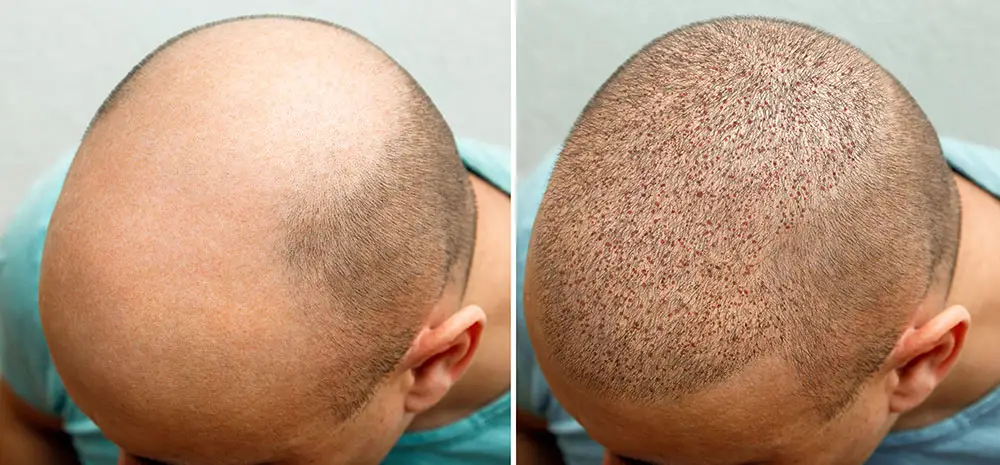
Keep in mind:
– Transplanted hair won’t always match your original density.
– Results take time—think gradual improvements, not overnight miracles.
– Your donor hair quality sets some limits.
– Color, thickness, and survival rates vary.
– You might need more than one session for your ideal look.
Talk openly with your surgeon about what’s possible for you. Managing your hopes now means less disappointment later.
- Picking a Low-Quality or Unqualified Surgeon
This is a biggie. Not all surgeons are created equal, and picking the wrong one can lead to unnatural results.
How to avoid a disaster:
– Check qualifications: Make sure your surgeon is certified and experienced in hair restoration.
– Read reviews: Look for consistent positive feedback and before/after photos.
– Ask questions: A good surgeon will explain everything and tailor the plan to you.
Don’t cut corners here. Your appearance (and confidence) is on the line.
- Ignoring Pre- and Post-Procedure Instructions
“Meh, I’ll just wing it.” Nope—bad idea.
Pre-Op Care
Before surgery, you’ll get a list of do’s and don’ts. These aren’t suggestions!
– Stop certain meds and supplements (your surgeon will say which ones)
– Prep your scalp as instructed
– Control health issues (like blood sugar or blood pressure)
Skipping this stuff? You risk bleeding, infections, and poor graft survival.
Post-Op Care
Once the procedure’s done, your job isn’t over.
– Follow all aftercare tips (gentle washing, avoiding heavy exercise, using prescribed products)
– Don’t touch or pick at your scalp
– Avoid sun and sweat
Ignoring aftercare can lead to graft loss, infections, and a longer, rougher recovery.
- Underestimating Post-Op Care and Skipping Follow-Ups
After surgery, following healing instructions is crucial.
– Healing takes time: Scabbing, redness, and shedding are normal.
– Follow-up appointments matter: Surgeons check for complications you might miss.
– Be patient: Good things (like hair regrowth) come to those who wait.
Skipping follow-ups or brushing off instructions? That’s a recipe for regret.
- Overlooking the Need for a Personalized Plan
No two scalps are the same. If your clinic uses a “one-size-fits-all” approach, run!
Why a custom plan matters:
– Everyone’s hair loss pattern is different
– Scalp and hair characteristics vary
– A tailored plan means natural results and better growth
If your surgeon doesn’t take the time to assess your unique situation, you won’t get the look you want.
- Not Talking About Risks
Every surgery has risks. If you don’t know yours, you can’t make an informed decision.
Discuss possible complications like:
– Infections or scarring
– Graft failure or poor growth
– Unnatural hairlines
Don’t be shy—ask your surgeon about every “what if.” It’s your right to know.
- Expecting Instant Results
Sorry, but you won’t walk out of the clinic with a full head of hair. The process takes months.
Here’s what typically happens:
– Post-surgery swelling and scabbing are normal.
– Transplanted hair often sheds before regrowing.
– Visible results start after several months, with final results after a year or more.
Be patient! Rushing the healing or expecting instant transformation leads to disappointment.
- Losing Patience During Recovery
It’s natural to want quick results, but hair growth is slow and steady.
Tips to stay sane:
– Set realistic milestones for progress.
– Don’t compare your journey to others.
– Keep in touch with your surgeon—ask questions if you’re worried.
– Remember: Patience pays off with more natural, lasting results.
Final Thoughts
A successful hair transplant is all about preparation, realistic expectations, and good communication with your clinic and surgeon. Do your homework, follow instructions, and give your hair (and yourself) time to heal.
Avoid these rookie mistakes, and you’re much more likely to love your new look—and avoid those “I wish I’d known…” regrets!
Ready for your hair transplant journey? Do it smart, and you’ll thank yourself later!