

Short answer? Yep—absolutely.
Even brand new builds in Robina benefit from a building and pest inspection. Why? Because it’s the best way to catch hidden issues, check if everything’s built to standard, and make sure your investment is protected. Let’s break down why you shouldn’t skip this step.
Why Bother Inspecting a New Home?
You might think a new home means “problem free,” but that’s not always the case. Here’s why inspections still matter, even for newer homes:
– Hidden defects happen: Sometimes, things like dodgy flashing, gaps, or pest entry points slip through the cracks—even with modern construction.
– Peace of mind: An inspection gives you a professional’s take on what’s solid and what needs fixing.
– Bargaining power: Found something wrong? You can use the inspection report to negotiate with the builder.
– Plan ahead: Knowing what needs fixing helps you budget and schedule repairs before they escalate.
– Validate warranties: Inspections help you check if everything matches up with your warranty and building standards.
So, even if your home looks perfect, it’s smart to have an expert double-check things with a professional inspection from https://houseflybuildingandpest.com.au/. You’ll sleep better at night!
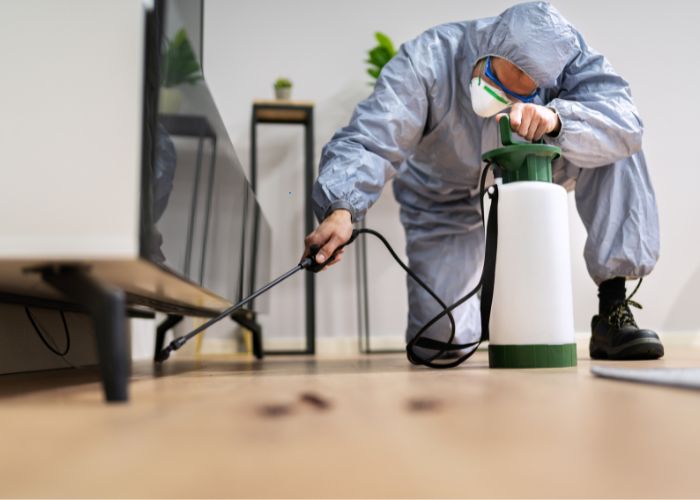
Building vs. Pest Inspections: What’s the Difference?
Both are important, but they look for different things:
Building Inspections
– Focus on structure—think frames, supports, foundations.
– Check for issues like misaligned frames, moisture damage, or dodgy connections.
– Use tools and checklists to make sure things are up to engineering standards.
Pest Inspections
– Hunt for termites, fungal rot, and spots where pests might get in.
– Look for things like dampness, soil contact, and tiny voids pests love.
– Sometimes, what looks fine on the surface can hide pest problems underneath—so it pays to be thorough.
Pro tip: Keep notes and photos of both inspection types. That way, you know what’s a real safety issue and what’s just cosmetic.
Common Surprises in New Robina Homes
You might be surprised what can turn up even in a brand new house! Here’s what to watch for:
– Framing and alignment issues: Gaps, creaky floors, or misaligned doors/windows.
– Hidden plumbing leaks: Pipes might look fine, but pressure tests can reveal sneaky leaks.
– Electrical oddities: Loose wires, badly labeled panels, or missing safety switches.
– Moisture intrusion: Check around windows, cladding, and roof flashings for signs of water getting in.
– Cabinetry problems: Misaligned cupboards or benchtops can hint at shifting frames.
Always ask your inspector for clear evidence—photos, measurements, and documented findings.
Moisture, Leaks, and Timber Safety: What You Need to Know
Moisture is the silent enemy of new builds. Here’s what to check:
Managing Moisture
– Make sure gutters, seals, and drainage are all doing their job.
– Look for proper flashing and sealed joints to keep water out.
– Use a moisture meter to spot hidden dampness.
Timber Safety
– Timber should be dry, well-sealed, and not in contact with soil.
– Look for signs of mold, warping, or insect activity.
– Regular checks keep your timber strong and pest-free.
Electrical Safety & Compliance
Wiring in a new home should be perfect—but double-check!
Here’s what a good inspector will look at:
– Correct breaker sizes and grounding.
– All outlets and switches work (and are safe!).
– Safety switches (RCDs) on all circuits.
– Appliance spaces, cable routing, and clear labeling.
– Compare what’s on-site to the plans—no surprises!
How Inspectors Check Workmanship and Materials
Inspectors don’t just eyeball things—they follow a checklist, comparing the finished work to:
– Approved plans and specs
– Industry standards
– Manufacturer instructions
They’ll look at:
– Alignment, fixings, and finishes
– Material types and grades
– Proper sealing around joints and penetrations
If something’s off, you’ll get photos and exact notes—not just “looks a bit weird.”
Cost, Scheduling & Negotiation Tips for Robina
Here’s what to know about inspection costs and timing:
– Costs vary: Size of house, report detail, and inspector experience all play a part. Expect extras for pest checks or moisture testing.
– Scheduling: Weekdays are usually cheaper and less rushed. Ask for a clear turnaround time on your report.
– Negotiation: Shop around for quotes, check credentials, and use your inspection report to negotiate repairs or credits with the builder.
When’s the Best Time to Book an Inspection?
Timing is everything. Book your inspection at key stages:
– Pre-slab: Before concrete is poured.
– Frame-up: When the skeleton is up.
– Lock-up: Before walls and insulation go in.
– Pre-handover: Just before you get the keys.
Each stage can reveal different issues. If you can, get multiple checks!
How to Read Your Inspection Report
Don’t panic if you see a list of issues! Here’s how to handle it:
– Urgent fixes: Structural issues, leaks, or anything that could get worse fast.
– Minor stuff: Cosmetic flaws or small gaps can usually wait.
– Get quotes: For anything major, get a builder or tradie to price the fix.
– Prioritize: Safety and durability come first; looks can wait.
Picking the Right Inspector in Robina
Not all inspectors are created equal. Here’s how to choose:
– Check licenses and insurance
– Ask about experience with Robina homes
– Request a sample report to see their style and thoroughness
– Compare prices—but don’t just go for the cheapest!
– Look for clear communication and responsiveness
Get a contract in writing before you start, so you know exactly what’s included.
Final Thoughts
Even if your Robina home is sparkling new, an inspection is smart insurance. It helps you spot hidden problems, negotiate with confidence, and protect your investment for the long haul.