

So, you’re thinking about cleaning your air conditioner. Should you grab your tools and do it yourself, or call in a pro? It’s not just about saving money or getting something extra clean—it’s also about safety, performance, and how long your AC will actually last.
Let’s break down what you need to know, step by step.
Safety First: Can You Really DIY?
Before you even touch your AC, ask yourself: Is this something I can do without hurting myself (or the unit)?
Questions to consider:
– Are you comfortable working with electricity?
– Do you know how to shut off power and avoid shocks?
– Do you have the gear to protect yourself (like gloves and goggles)?
– Is your AC in a spot that’s easy—and safe—to reach?
If you’re not 100% sure about any of these, it might be time to call in a pro. No shame in playing it safe! For reliable assistance, you can always check out airconmen.com.au.
DIY Cleaning: Tools & Gear You’ll Need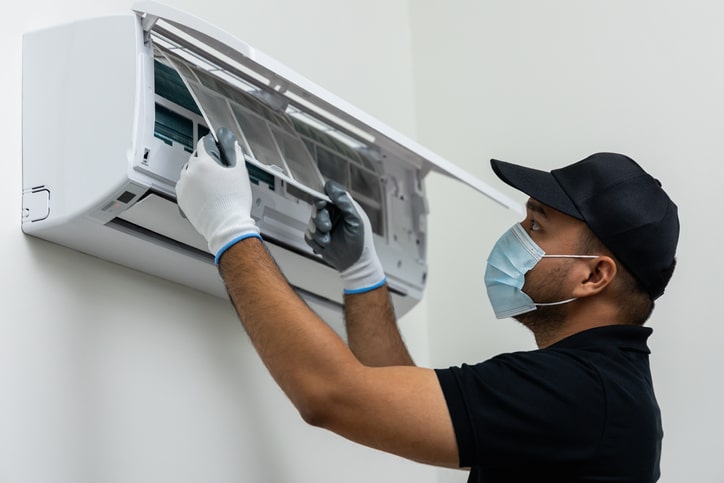
If you decide to give it a go, here’s what you’ll want on hand:
Basic Toolkit:
– Soft-bristle brush (for gentle cleaning)
– Microfiber cloths (no lint left behind)
– Non-abrasive cleaner (something mild)
– Spray bottle (for your cleaner)
– Insulated gloves and eye protection (safety first)
– Screwdriver (for easy access panels)
– Fin comb (to straighten any bent coil fins)
– Shop vacuum (for dust and debris)
– Flashlight (see what you’re doing!)
Pro Tip: Always cut the power before you start, and double-check with a voltage tester if you have one.
Safety Must-Haves:
– Safety goggles
– Gloves
– Dust mask
– Non-slip shoes
– Clear workspace (no tripping hazards)
– Proper shutoff (flip the breaker or unplug!)
How Most People Clean Their AC at Home
When you’re cleaning your AC yourself, you’ll mostly stick to the easy-to-reach stuff:
– Dusting and wiping the exterior
– Changing or cleaning filters
– Gently brushing coils (if you can get to them)
– Vacuuming out loose debris
– Using a low-pressure hose on the outdoor unit (if allowed by the manual)
What NOT to do:
– Don’t use high-pressure water or harsh chemicals.
– Never poke around electrical parts or refrigerant lines.
– If you see mold, burned wires, or anything weird—stop!
When It’s Time to Call a Pro
Some warning signs mean you’re out of DIY territory. If you notice:
– Strange noises or vibrations
– Burning smells or smoke
– Refrigerant leaks (look for oily spots or hissing sounds)
– Ice building up where it shouldn’t
– Weak or no airflow
– Visible damaged wiring
Stop immediately and call a professional. These aren’t just cleaning issues—they’re safety hazards!
What Does a Pro Actually Do?
When you hire a pro for AC cleaning, here’s what you typically get:
– Full system inspection (inside and out)
– Safe power isolation and lockout
– Deep cleaning of coils, fins, and blower
– Clearing and sanitizing condensate drains
– Checking pressure, refrigerant levels, and thermostat calibration
– Inspecting electrical components and wiring
– Documented notes and recommendations
You’re not just paying for cleaning—you’re getting diagnostics, safety checks, and peace of mind.
Professional Benefits: Why It Might Be Worth It
Here’s what you gain with a pro:
– Better efficiency and lower energy bills
– Fewer breakdowns and longer AC lifespan
– Catching small problems before they become big, expensive ones
– Keeping your warranty intact
And let’s face it: sometimes it’s just nice to have someone else do the dirty work!
The Cost Breakdown: DIY vs. Pro
– DIY Pros: Cheaper up front, no labor costs, flexible timing
– DIY Cons: Risk of mistakes, possible safety hazards, can void your warranty, might miss hidden problems
– Pro Pros: Full cleaning and inspection, warranty protection, expert advice, less risk
– Pro Cons: Higher upfront cost
Bottom line: DIY can save money if you know what you’re doing. But if you mess up or miss something, you could end up spending way more later.
Double-Check Your Warranty!
Before you start, look up your AC’s warranty details:
– Some warranties require professional service at certain intervals.
– DIY cleaning can sometimes void coverage if you mess with the wrong parts.
– Always document what you do, just in case.
When in doubt, call the manufacturer or check the manual.
Maintenance Habits for a Happy AC
Want your AC to last? Make these a habit:
Daily/Weekly:
– Check for strange noises or leaks
– Make sure vents are clear
Monthly:
– Clean or replace filters
Seasonally:
– Inspect coils, check drains, and test your thermostat
Always: Write down what you do, and keep your workspace clean and safe.
So… Should You DIY or Call a Pro?
Ask yourself:
– Am I comfortable and safe doing this?
– Do I have the right tools and protective gear?
– Is my warranty at risk?
– Is my AC showing any warning signs?
If you’re unsure, or if things look complicated—get a pro. Your safety and your AC’s health are worth it.
Final tip: When in doubt, play it safe. A clean, well-maintained AC is great—but only if you don’t risk injury or damage to get there!