

The Revolutionary Journey of Modern Dental Restoration
The landscape of dental restoration has undergone a remarkable transformation over the past several decades, with biocompatible dental implants in Plymouth emerging as one of the most significant advances in oral healthcare. This evolution represents not merely a technological leap, but a fundamental shift in how dental professionals approach tooth replacement, offering patients solutions that were once relegated to the realm of science fiction.
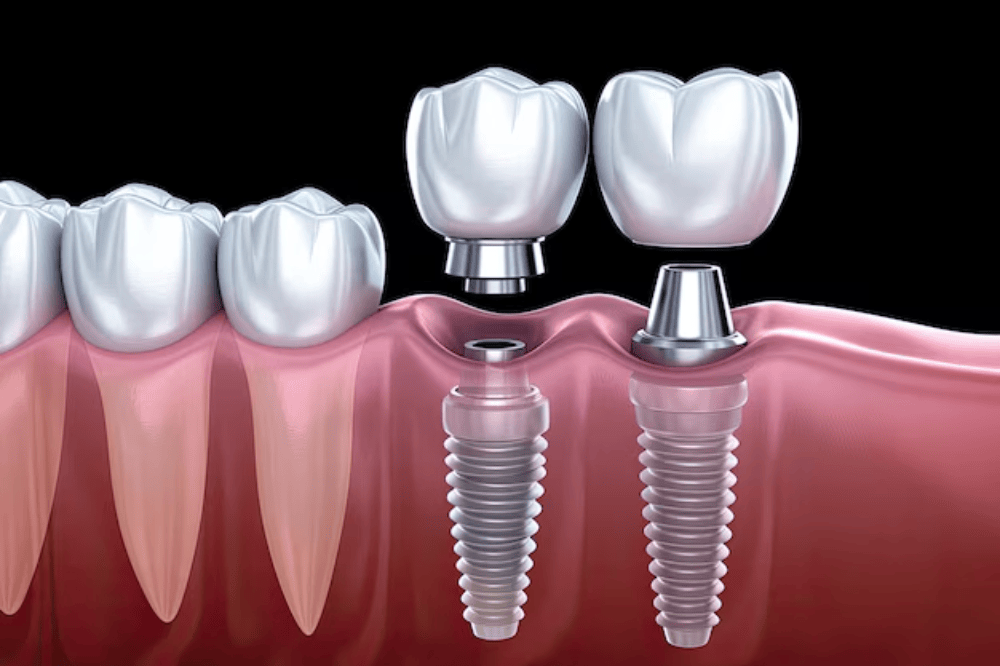
Biocompatibility in dental implants refers to the ability of implant materials to integrate harmoniously with human tissue without causing adverse reactions. This concept has revolutionised the field, moving away from materials that the body might reject towards sophisticated solutions that encourage natural bone integration. The journey from rudimentary tooth replacement methods to today’s advanced implant systems demonstrates the remarkable progress achieved through decades of research and innovation.
Historical Foundations and Early Developments
The earliest attempts at dental implantation date back thousands of years, with archaeological evidence revealing that ancient civilisations experimented with various materials including shells, stones, and even precious metals. However, these primitive attempts bore little resemblance to modern techniques and often resulted in complications or outright failure.
The modern era of dental implants began in earnest during the mid-20th century when researchers started exploring the potential of titanium as an implant material. This breakthrough came about somewhat serendipitously when Swedish orthopaedic surgeon Per-Ingvar Brånemark discovered that titanium could fuse directly with bone tissue, a process he termed “osseointegration”.
The Titanium Revolution
Brånemark’s discovery fundamentally changed the approach to dental implants. Titanium’s unique properties made it an ideal candidate for biocompatible applications. The metal’s ability to integrate with bone tissue whilst remaining inert within the body solved many of the rejection issues that had plagued earlier implant attempts. This breakthrough laid the groundwork for modern implant dentistry and established titanium as the gold standard for implant materials.
The success of titanium implants led to widespread adoption across dental practices worldwide. Patients seeking dental implants could finally access reliable, long-term solutions for missing teeth. The predictable nature of osseointegration transformed dental implants from experimental procedures into routine treatments with high success rates.
Material Science Innovations and Modern Advances
The quest for improved biocompatibility has driven continuous innovation in implant materials and surface technologies. Modern implants feature sophisticated surface treatments that enhance osseointegration, reducing healing times and improving long-term stability. These advances include plasma-sprayed coatings, acid-etched surfaces, and nano-structured modifications that encourage cellular attachment and bone formation.
Contemporary research has also explored alternatives to traditional titanium implants. Zirconia implants have gained popularity as a metal-free option, particularly appealing to patients with metal sensitivities or those seeking biocompatible alternatives for comprehensive oral health. These ceramic implants offer excellent aesthetics and biocompatibility whilst maintaining structural integrity comparable to titanium.
Personalised Treatment Approaches
The evolution of biocompatible implants has coincided with advances in personalised medicine. Modern practitioners can now assess individual patient factors, including bone density, healing capacity, and potential allergic reactions, to select the most appropriate implant system. This personalised approach has significantly improved treatment outcomes and patient satisfaction rates.
Digital planning technologies have further enhanced the precision of implant placement. Three-dimensional imaging and computer-guided surgery allow practitioners to position implants with unprecedented accuracy, optimising the biological environment for successful osseointegration. These technological advances have made modern biocompatible implant procedures more predictable than ever before.
Contemporary Applications and Holistic Considerations
Today’s dental implant treatments extend beyond mere tooth replacement to encompass holistic oral health considerations. Progressive practitioners recognise the importance of selecting materials that complement the body’s natural systems. This approach has led to the development of comprehensive biocompatible implant protocols that consider overall patient health and well-being.
The integration of biocompatible implants with advanced prosthetic technologies has created opportunities for full-mouth rehabilitation that closely mimics natural tooth function and appearance. These comprehensive treatments can restore both function and confidence for patients who have experienced significant tooth loss.
Future Prospects and Continuing Innovation
The evolution of biocompatible dental implants continues at an accelerated pace, with emerging technologies promising even greater integration with human biology. Research into bioactive materials, stem cell applications, and regenerative medicine suggests that future implants may actively promote tissue regeneration rather than simply providing passive integration. These advances position dental implants as an increasingly sophisticated solution for modern oral healthcare challenges.