

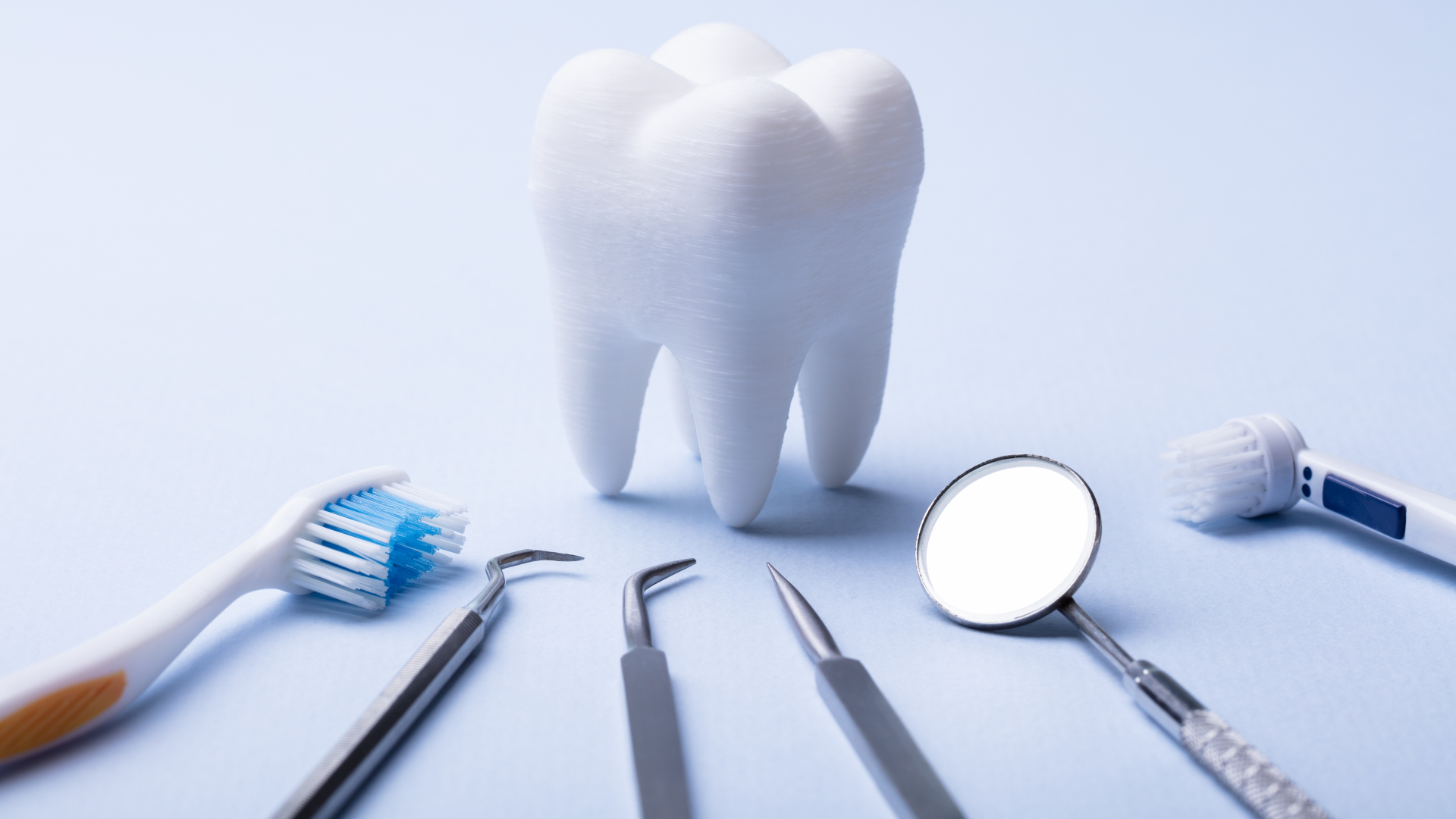
Nature’s Blueprint for Dental Innovation
Throughout history, humans have looked to nature for inspiration, and dentistry is no exception to this age-old practice. The field of biomimicry in dental care represents a fascinating convergence of natural wisdom and cutting-edge technology, where practitioners study the intricate designs found in nature to develop revolutionary treatment approaches. From the microscopic structure of tooth enamel to the way certain animals maintain their dental health, nature provides an extraordinary blueprint for modern dental innovations.
The concept of biomimetic dentistry has gained considerable momentum in recent years, transforming how dental professionals, including a dentist in Epping, approach patient care. This approach focuses on preserving and restoring teeth in ways that closely mirror their natural structure and function. Rather than simply replacing damaged tissue, biomimetic techniques aim to work harmoniously with the body’s existing systems, creating restorations that behave much like natural teeth.
Understanding Biomimetic Dental Principles
At its core, biomimetic restorative dentistry principles revolve around understanding how natural teeth function and respond to various stresses. Natural teeth possess remarkable properties that allow them to withstand decades of use while maintaining their structural integrity. The enamel layer, for instance, represents one of nature’s most sophisticated materials, combining hardness with flexibility in ways that synthetic materials have long struggled to replicate.
Modern biomimetic approaches recognise that teeth are not merely static structures but dynamic systems that flex and adapt during function. This understanding has led to the development of materials and techniques that accommodate these natural movements rather than fighting against them. When a dentist employs biomimetic principles, they’re essentially working with nature rather than against it, leading to restorations that integrate seamlessly with existing tooth structure.
The Science Behind Natural Tooth Structure
The remarkable engineering of natural teeth provides invaluable insights for modern dental treatments. Tooth enamel consists of tightly packed hydroxyapatite crystals arranged in complex patterns that provide both strength and resilience. Beneath this, the dentine layer offers a more flexible foundation that can absorb and distribute forces throughout the tooth structure. This layered approach has inspired new composite materials that attempt to replicate these natural properties.
Learning from Nature’s Dental Champions
Various creatures in the natural world demonstrate remarkable dental adaptations that have captured the attention of researchers. Sharks, for instance, continuously replace their teeth throughout their lives, inspiring investigations into regenerative dental techniques. The beaver’s self-sharpening incisors, reinforced with iron deposits, have influenced the development of more durable dental materials. Even the humble limpet, with teeth stronger than spider silk, offers insights into creating resilient dental restorations.
These natural examples demonstrate that optimal dental function often relies on sophisticated material combinations and structural arrangements. By studying these biological systems, dental researchers have developed new approaches to tooth restoration that better mimic the complex interplay between different dental tissues.
Practical Applications in Contemporary Practice
Modern biomimetic dentistry translates these natural principles into practical treatment approaches. Contemporary biomimetic dental techniques focus on minimal intervention strategies that preserve as much natural tooth structure as possible. This philosophy recognises that every component of a natural tooth serves a specific purpose, and removing healthy tissue unnecessarily can compromise the tooth’s long-term function.
Adhesive dentistry represents one of the most significant advances in this field, allowing practitioners to bond materials directly to tooth structure in ways that distribute stress more naturally. These techniques enable the creation of restorations that flex and move with the natural tooth, reducing the likelihood of fractures or failures over time.
Materials That Mirror Nature
The development of biomimetic materials has revolutionised restorative possibilities. Modern composite resins can be layered to replicate the optical properties of natural teeth, whilst ceramic materials increasingly match the mechanical properties of enamel. Understanding biomimetic dental approaches helps patients appreciate how these advanced materials work in harmony with their natural teeth.
Glass ionomer cements, for example, release fluoride ions like natural remineralisation processes, helping to strengthen surrounding tooth structure over time. These materials demonstrate how biomimetic principles extend beyond mere structural considerations to include biological interactions.
The Future of Nature-Inspired Dental Care
As our understanding of natural systems continues to expand, the potential applications for biomimicry in dentistry grow correspondingly. From regenerative techniques inspired by natural healing processes to materials that adapt and respond to their environment, the future promises even more sophisticated approaches to dental care that work in harmony with the body’s natural systems, ensuring long-term oral health outcomes.
Any surgical or invasive procedure carries risks. Before proceeding, you should seek a second opinion from an appropriately qualified health practitioner.