

Step inside the machining process revolutionizing production lines, and you will find a world transformed by innovation, precision, and efficiency. At the heart of modern manufacturing, machining has evolved far beyond the traditional methods of cutting, shaping, and forming materials. This transformation is driven by advanced technologies such as computer numerical control CNC, automation, additive manufacturing, and smart systems, all converging to redefine how products are made. The machining process today is no longer just about removing material but about optimizing every aspect of production to meet the exacting standards of industries like aerospace, automotive, medical devices, and electronics. One of the most significant breakthroughs in machining has been the widespread adoption of CNC technology. CNC machines use computer programming to control the movement of tools with incredible accuracy, enabling the production of complex parts that were previously impossible or highly time-consuming to create. With CNC, production lines can run continuously and with minimal human intervention, which enhances productivity and cuts operational costs.
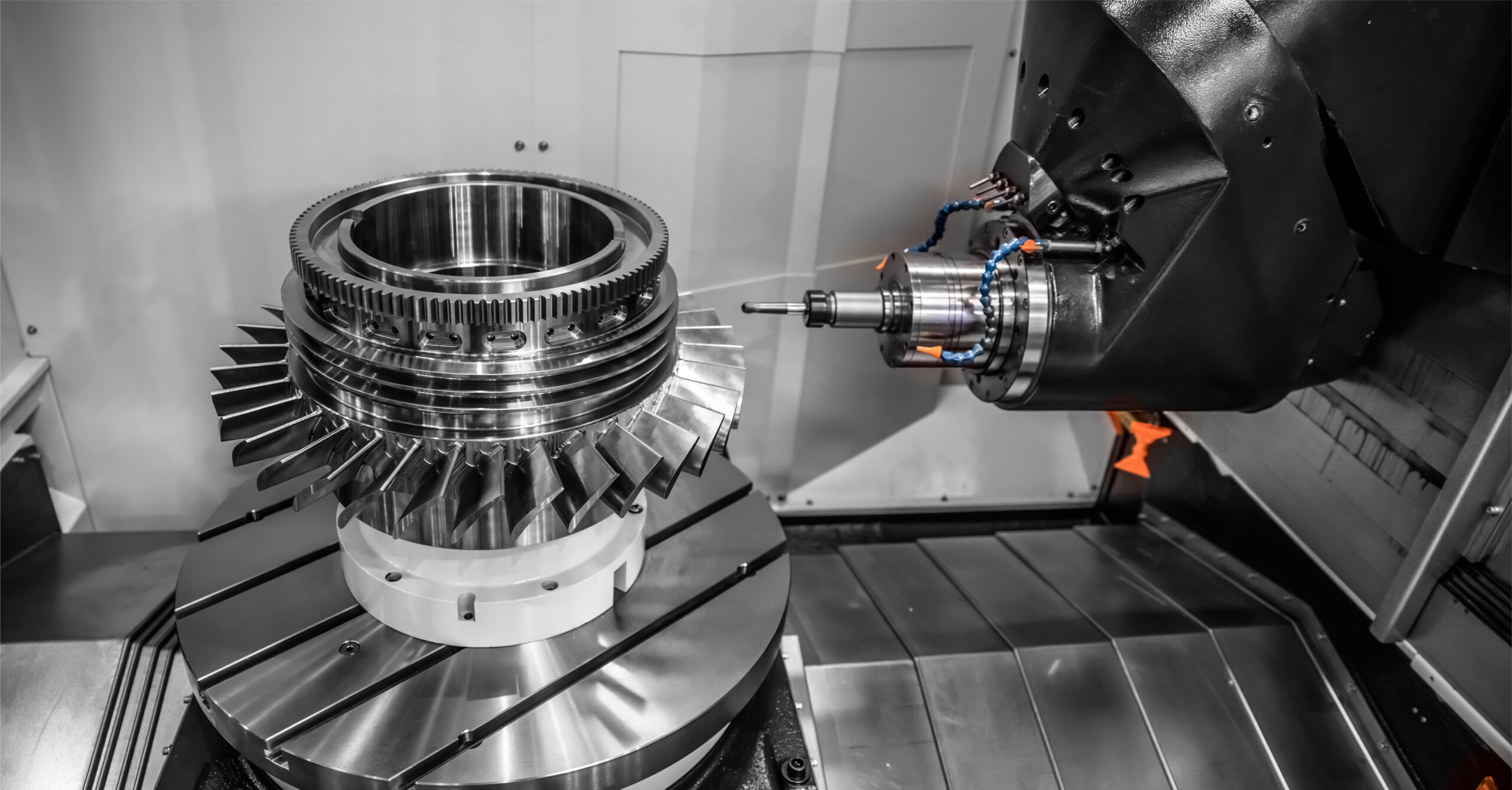
Moreover, the flexibility of Uneed CNC machines allows manufacturers to switch between different product designs swiftly, adapting to market demands without lengthy retooling processes. Automation further accelerates the machining revolution. Robots and automated material handling systems integrate seamlessly with machining centers, performing tasks such as loading and unloading parts, inspection, and even minor adjustments during production. This reduces human error, increases safety, and enables around-the-clock manufacturing. Smart sensors embedded in machines continuously monitor performance metrics temperature, vibration, tool wear and relay this data to control systems. This real-time monitoring facilitates predictive maintenance, preventing breakdowns before they happen, minimizing downtime, and ensuring a smooth flow of operations. Additive manufacturing, often known as 3D printing, is also merging with traditional subtractive machining to create hybrid processes. While machining excels at refining surfaces and achieving tight tolerances, additive techniques build up material layer by layer to form intricate geometries and lightweight structures.
Together, they offer unparalleled design freedom and efficiency. For example, aerospace components with complex internal channels can be initially produced using additive methods and then machined for finishing, resulting in parts that are both highly functional and optimized for performance and verify is cnc machining hard. Furthermore, the rise of digital twins and simulation software allows engineers to model and optimize machining processes before physical production begins. These digital replicas help identify potential issues, fine-tune cutting parameters, and test new designs virtually, saving time and resources. Coupled with artificial intelligence and machine learning algorithms, machining operations can adapt dynamically to varying conditions, continuously improving quality and throughput. Sustainable machining practices are becoming integral to the industry’s future, aligning economic goals with ecological responsibility. It transforms raw materials into high-precision components with unprecedented speed and quality, driving the competitiveness of manufacturers worldwide. As these advancements continue to evolve, the future of machining promises even greater integration, autonomy, and adaptability, heralding a new era in industrial production that meets the demands of a rapidly changing world.